Real Estate in Obninsk: A Practical Guide for Buyers, Sellers and Investors
Obninsk is a scientific and industrial city southwest of Moscow known for its research institutes and relatively calm living environment. Its real estate market is shaped by steady local demand from professionals and students, proximity to Moscow, and a mix of Soviet-era and newer housing. This guide summarizes what to expect and how to act whether you’re buying, selling, renting or investing.
Market overview
— Location: roughly 90–120 km southwest of Moscow, connected by road and rail; attractive for commuters and professionals.
— Demand drivers: researchers, university students, hospital staff and municipal employees create stable rental and owner-occupier demand.
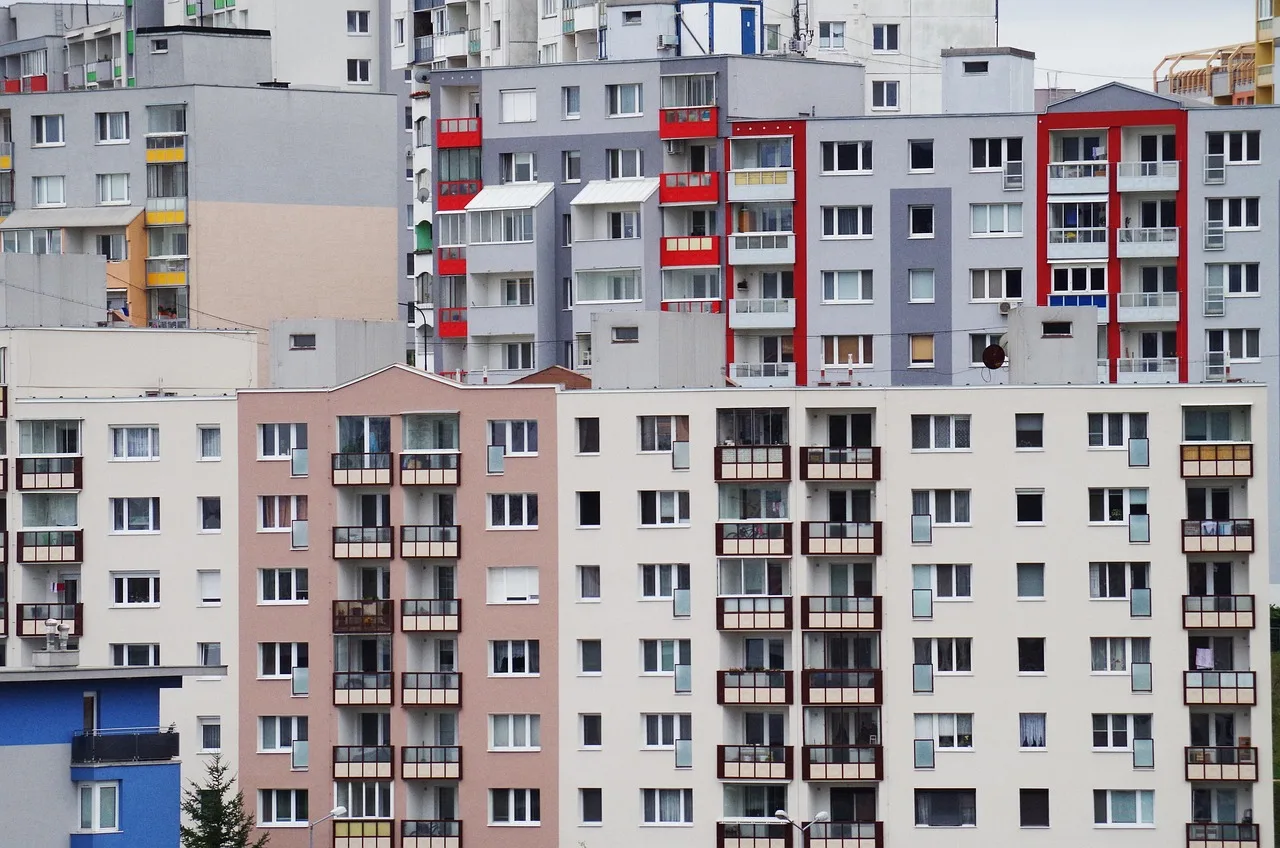
— Housing stock: mix of Khrushchyovkas and Brezhnev-era apartments, panel and brick buildings, plus newer developments and private houses in outskirts.
— Price dynamics: generally more affordable than Moscow and larger regional centers; prices rise gradually with improvements in infrastructure and new construction.
Buying in Obninsk — key points
— Types of properties: one- to three-room apartments dominate the market; private houses and cottages are common on the city outskirts.
— New builds: smaller local developers and regional subsidiaries of Moscow builders offer modern flats — pay attention to delivery timelines and developer reputation.
— Financing: mortgages available through major Russian banks; rates and terms depend on borrower profile and bank promotions.
— Process (high level):
— Search and shortlist properties with a local agent or online portals.
— Verify property title and check Rosreestr for encumbrances.
— Negotiate price and agree on terms.
— Conclude a purchase agreement (often notarized) and register ownership at Rosreestr.
— If financing, follow bank requirements for appraisal and documentation.
— Documents to check:
— Seller’s passport and proof of ownership.
— Cadastral or technical passport (BTI report).
— No liens, court disputes or restrictions registered in Rosreestr.
Renting — what landlords and tenants should know
— Tenant profile: students, young professionals, visiting researchers and families.
— Demand: steady, especially near educational institutions and research centers.
— Lease tips for landlords:
— Prepare a detailed contract, inventory list and rules for utilities.
— Require passport copies and a deposit (commonly one month’s rent).
— Consider short-term furnished options for higher yields from visiting professionals.
— Tips for tenants:
— Inspect all utilities and appliances, document pre-existing damage.
— Confirm who pays utilities and how they’re metered.
— Ask about heating costs in winter — they can be substantial.
Selling — maximize value
— Staging and minor repairs: fresh paint, fixing fixtures and decluttering improve perceived value.
— Documentation: have all titles, BTI reports and consent documents ready to speed up the sale.
— Pricing: set competitive pricing based on recent local comparables and market seasonality.
— Marketing channels: local real estate portals, social media groups, and agents with local networks.
Investment potential
— Pros:
— Stable local demand from scientific community and municipal employment.
— Lower entry prices than major cities — potential for rental yield and capital appreciation.
— Growing appeal for commuters seeking quieter towns within reach of Moscow.
— Risks:
— Local economic shifts tied to public research funding and regional policy.
— Liquidity: smaller market than large cities can mean longer selling periods.
— Strategies:
— Buy small apartments for long-term rental.
— Consider renovated units or new builds targeted at young professionals.
— Explore suburban houses for short-term holiday rental or family markets, but analyze maintenance and utilities costs.
Legal and practical checklist
— Use a local real estate lawyer or trusted agent.
— Verify ownership and encumbrances via Rosreestr.
— For foreigners: direct ownership of residential property is usually possible, but agricultural land purchases are restricted — check current regulations and visa/residency implications.
— Inspections: structural, plumbing and heating system checks, especially in older buildings.
— Taxes and fees: be aware of property transfer taxes, notary fees and registration costs.
Neighborhood considerations
— City center: closer to services, administrative buildings, schools and public transport — typically higher demand and prices.
— Residential microdistricts: mix of Soviet apartment blocks with nearby shops, schools and playgrounds — good value for families.
— Outskirts and private housing: quieter, more space, but consider commute times and utility readiness.
Practical tips
— Work with a local agent who knows Obninsk’s micro-markets and legal nuances.
— If investing for rent, target furnished one- or two-room apartments for best liquidity.
— Always confirm utility and maintenance costs before committing — these affect affordability significantly.
— Plan inspections in winter if possible to evaluate heating and insulation performance.
Conclusion
Obninsk offers a balanced and approachable real estate market attractive for owner-occupiers, renters and cautious investors. Success comes from local knowledge, careful document checks, and realistic expectations about liquidity and operating costs. Engage reputable local professionals and prioritize verified title searches and thorough inspections to minimize risk.
If you’d like, I can provide:
— A market snapshot with recent comparable listings (require permission to search current listings), or
— A checklist template for viewings and document verification tailored to Obninsk.