Real Estate in Obninsk: Smart Buying, Renting and Investment Tips
Obninsk is a compact, well‑kept naukograd (science city) southwest of Moscow known for research institutes, strong social infrastructure and a calm, green living environment. For buyers, renters and investors looking beyond big‑city pricing, Obninsk offers a blend of steady demand, reasonable prices and predictable rental income — especially from students, researchers and families.
Market overview
— Stable demand driven by scientific institutes, universities and hospital staff.
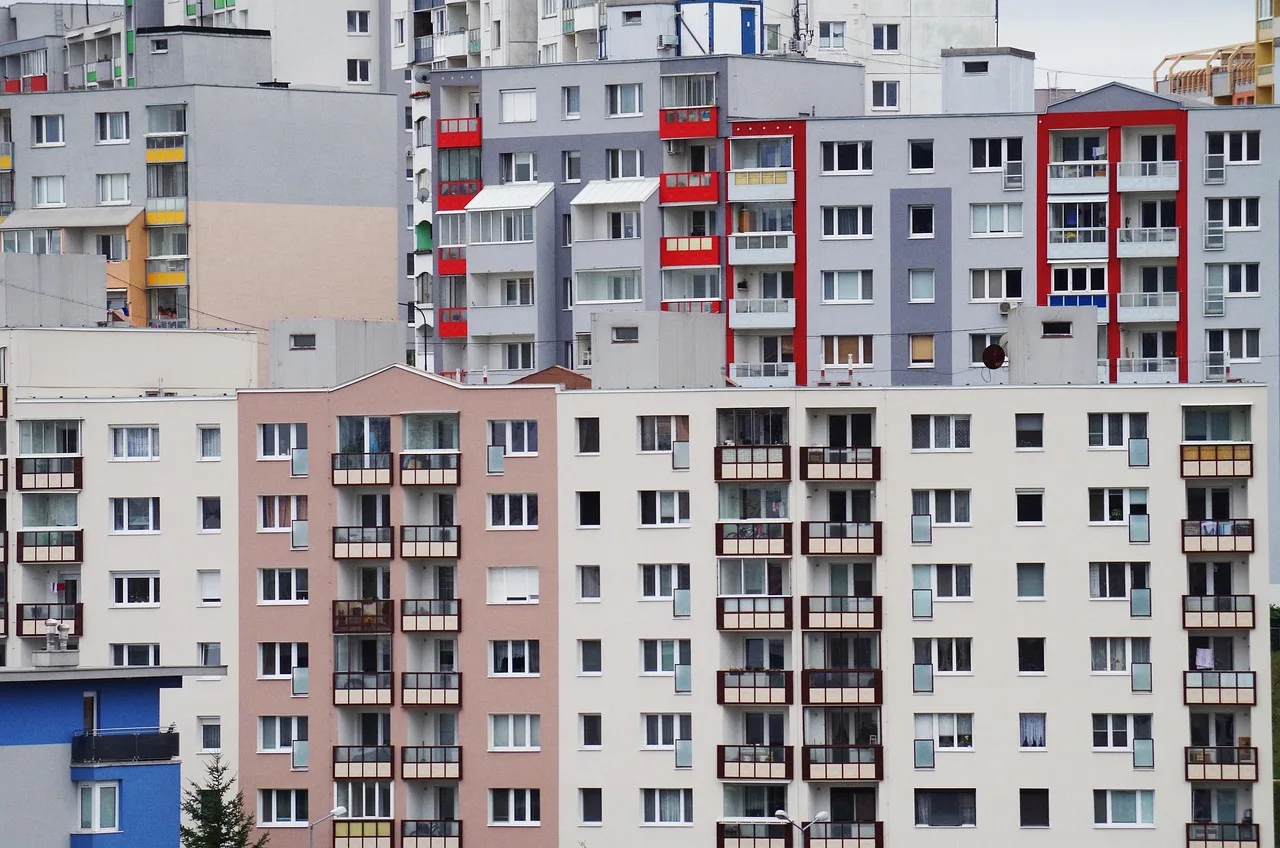
— Housing stock mixes Soviet‑era panel and brick apartments, Soviet‑modern renovation projects, and smaller developer projects of new flats and townhouses on the outskirts.
— Prices are significantly lower than Moscow and Moscow Region suburbs, but have shown steady growth in line with regional development and improved transport links.
— Rental market is consistent year‑round with peak demand from short- to mid‑term renters tied to project cycles and university semesters.
Neighborhoods to know
— City center / Leninsky and Central districts — convenient for schools, shops and transport; ideal for families wanting walkable life and for investors targeting long‑term rentals.
— Shchigry and residential microdistricts — typical Soviet residential areas with affordable apartments and good public transport.
— New developments and peripheral cottage areas — for buyers seeking modern finishes, larger layouts or private land; suitable for families and those commuting by car.
Types of properties
— One- and two-bedroom apartments — most liquid on the market; popular with young professionals, scientists and small families.
— Three‑room and larger family flats — attractive near schools and parks.
— Newbuild apartments — appeal to buyers wanting modern layouts, energy efficiency and mortgage financing.
— Cottages and townhouses — available on the outskirts; offer space and privacy but factor in commuting time and infrastructure.
Pricing and trends (practical view)
— Obninsk is a value market relative to Moscow. You’ll typically pay much less per square meter than in the capital while keeping good access to scientific jobs and regional amenities.
— Expect steady, conservative price appreciation rather than explosive growth — good for risk‑averse investors.
— New construction attracts a price premium for modern utilities and reduced maintenance costs.
Buying process and legal pointers
— Foreign citizens can buy apartments in Russia; land and certain peripheral properties may have restrictions — check before committing.
— Essential steps:
— Use a local, reputable real estate agent to shortlist properties.
— Order a full title search and request copies of cadastral records.
— Verify heating, utility debt status and any co‑ownership claims.
— Sign a sale agreement, register ownership at Rosreestr and use escrow or a notary to secure funds.
— Hire a local real estate lawyer or notary to review documents and represent your interests.
Rental market insights
— Reliable tenant pool: researchers, university students, medical staff and families relocating for work.
— Short‑ and mid‑term rentals are common; furnished apartments command higher rates.
— Location matters: proximity to institutes, medical centers and transport hubs increases occupancy and rental yield.
Investment considerations
— Pros: stable demand, lower entry prices, predictable rental income, and less competition than larger cities.
— Cons: smaller market liquidity vs. major cities, limited luxury market, local economic exposure to public research funding.
— Strategy tips:
— Buy one- or two-bedroom units near transport and institutes for easiest re‑renting.
— Renovate older apartments to modern standards to increase rental yield and resale value.
— Consider a diversified approach — mix mid‑range apartments with one small newbuild unit.
Practical living tips for movers
— Assess commuting options: electric trains and regional buses connect Obninsk with Kaluga and Moscow — check schedules.
— Inspect heating systems carefully in older buildings (central heating is common).
— Visit neighborhoods at different times (weekday vs. weekend, day vs. evening) to check noise, parking and local amenities.
— Learn where key services are: clinics, schools, grocery stores, parks and cultural centers that make day‑to‑day life comfortable.
Conclusion
Obninsk is a pragmatic choice for buyers and investors who want stability, quality of life and access to Russia’s scientific infrastructure without Moscow’s price premium. Focus on compact, well‑located apartments near institutes or transport for the best combination of liquidity and rental demand, and always use local legal expertise when finalizing transactions.
If you want, I can:
— Prepare a shortlist of typical property types and pros/cons for specific budgets;
— Draft a checklist for property viewings in Obninsk;
— Recommend questions to ask a local realtor or attorney.