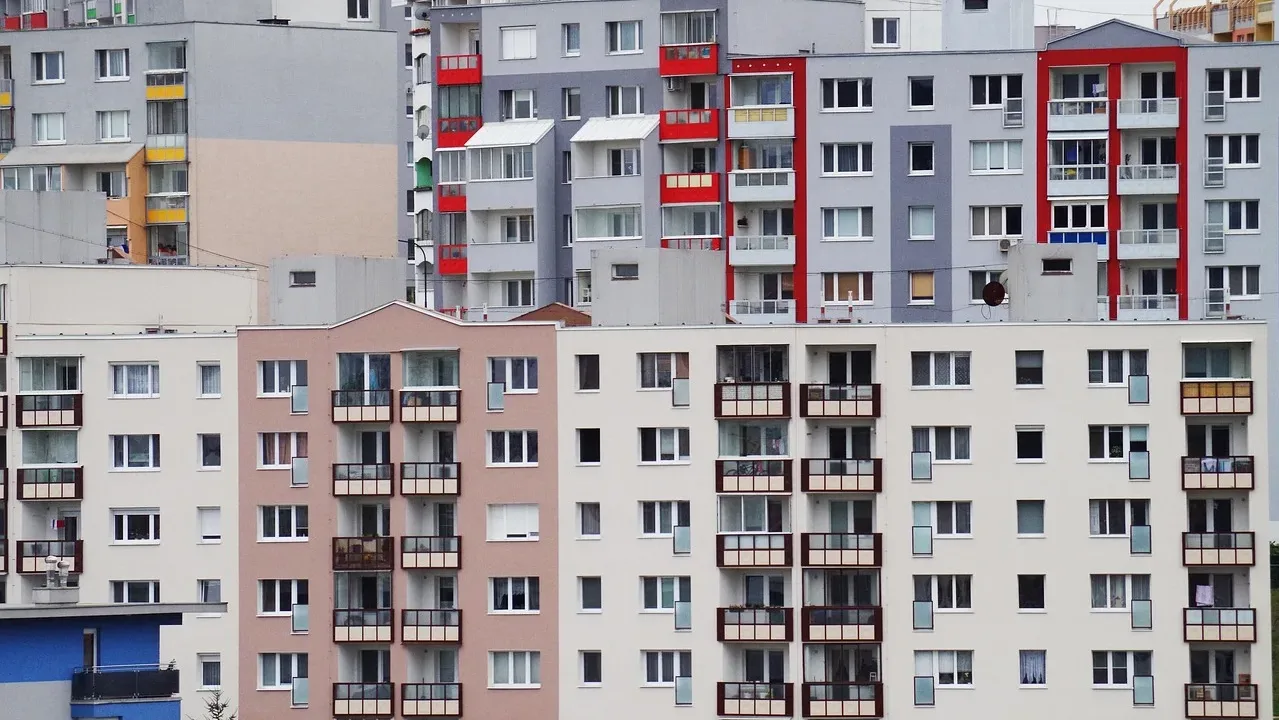
Why Obninsk is an attractive real estate market
Obninsk is one of Russia’s notable science cities, with a stable local economy driven by research institutes, educational centers and high‑tech enterprises. Located roughly 100 km southwest of Moscow, it combines provincial affordability with well‑developed social infrastructure — making it appealing to families, researchers, students and commuters.
— *Stable demand*: steady inflow of professionals and students linked to research organizations and universities.
— *Relative affordability*: prices are generally lower than in Moscow and major regional centers, offering good entry points for first‑time buyers and investors.
— *Quality of life*: green zones, schools, medical facilities and cultural amenities support long‑term residential demand.
What types of properties you’ll find
— Soviet‑era apartments (Khrushchyovkas, Brezhnevkas): often compact, with potential for profitable renovation.
— Newbuilds (novostroyki): modern layouts, elevators, insulation and developer warranties; popular with young families.
— Private houses and cottages: available on the outskirts and in nearby dacha settlements for those seeking more space.
— Commercial premises: offices and small retail units catering to local businesses and services.
Neighborhoods and buyer profiles
— Central districts: close to institutes, hospitals and transport — best for professionals who value proximity and amenities.
— New residential microdistricts: attract young families and buyers seeking turnkey apartments and playgrounds, parking and local shops.
— Outskirts/dacha zones: popular with buyers wanting gardens, privacy or investment into holiday rentals.
Market trends and investment case
— Long‑term potential: towns with specialized economies and stable employers tend to show predictable residential demand.
— Renovation plays: buying older apartments below market and modernizing kitchens/bathrooms often increases resale or rental value significantly.
— Rental demand: reliable from researchers, students and specialists; both long‑term and short‑term rentals are viable depending on location and furnishing level.
Practical buying process (concise)
1. Define goals: residence, rent, renovation flip or commercial use.
2. Search & viewings: work with a reputable local agent and view multiple properties.
3. Due diligence: obtain the EGRN extract, check encumbrances, confirm seller identity and absence of debts/claims.
4. Preliminary agreement: optional reservation or pre‑contract with deposit.
5. Contract & registration: sign sale‑purchase agreement and register ownership in the Unified State Register of Real Estate (EGRN). Escrow accounts are increasingly used for security.
6. Handover: transfer keys, settle utilities and update relevant registrations.
Documents & legal tips
— Bring your passport (foreign buyers need valid travel documents); consider obtaining a Russian tax ID (INN) if planning transactions or renting.
— Verify ownership through the EGRN and request a history of transactions and encumbrances.
— Use a local real estate lawyer or notary to review contracts and verify compliance with local regulations.
— Be aware of restrictions on land ownership for foreign individuals in certain areas; apartments are typically easier to purchase than land plots.
Financing and taxes
— Mortgages: major Russian banks offer mortgages; terms and eligibility for non‑residents vary. Compare rates and check pre‑approval conditions.
— Taxes and fees: expect state registration fees, notary costs (if applicable), and ongoing property tax. Capital gains and other taxes depend on ownership period and legal structure — consult a tax advisor.
Renovation and resale tips
— Prioritize kitchen and bathroom upgrades; these typically yield the highest resale uplift.
— Improve energy efficiency — better insulation and sealed windows increase comfort and marketability.
— Stage properties for viewings: fresh paint, decluttering and minor repairs help attract buyers and justify higher prices.
Working with local professionals
— Choose a licensed real estate agency with local market experience.
— Hire an independent appraiser for valuation before making an offer.
— Use an attorney familiar with Kaluga Oblast regulations to handle contract language and ensure clean title transfer.
Final checklist before closing
— Verified EGRN extract (no liens or disputes).
— Clear payment scheme (escrow recommended).
— Written inventory and condition report at handover.
— Utility accounts transferred and meter readings recorded.
— Signed and registered ownership documents.
Conclusion
Obninsk combines scientific prestige, solid local demand and lower entry prices than Moscow — a compelling mix for buyers and investors seeking stable, long‑term opportunities. Whether you’re buying a compact apartment for rental income, upgrading to a family home, or investing in a renovation project, careful due diligence and local professional support will maximize your outcome.
If you’d like, I can:
— outline a property search plan specific to your budget and goals, or
— prepare a list of recommended local agents, lawyers and appraisers.