Real Estate in Obninsk — Quick Overview
Obninsk is a compact science city in Kaluga Oblast, roughly 90–120 km southwest of Moscow. Known for its research institutes and the first Russian nuclear power plant, Obninsk combines stable local employment, good social infrastructure and relatively affordable property compared with Moscow — making it attractive to professionals, students and investors seeking regional stability with reasonable prices.
Market snapshot
— Demand drivers: research institutes, universities, healthcare and high-tech companies; commuters who prefer quieter living outside Moscow; local rental demand from students and young professionals.
— Property types: Soviet-era and modern apartments, new-build developments, private suburban houses and dachas, and a small market for commercial premises.
— Liquidity and risk profile: the market is moderate — not hyper-liquid like Moscow but steady. New projects and well-located apartments close to the train station and institutes sell faster.
Prices and trends (what to expect)
— Apartments: secondary-market flats are the core of the market. Prices are substantially lower than Moscow, making them attractive for first-time buyers and investors. Expect variety depending on condition and location.
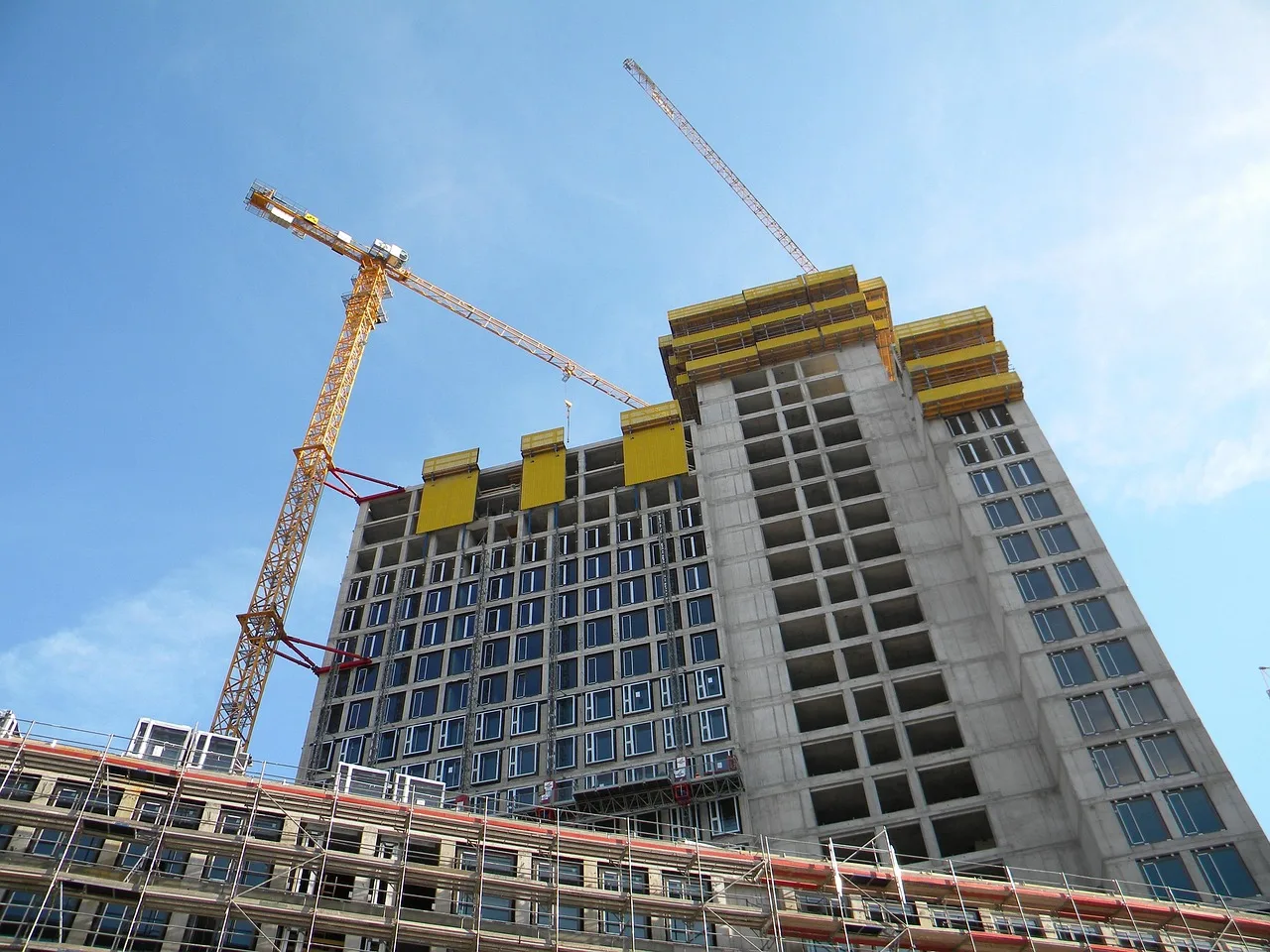
— New builds: local developers offer modern apartments and small complexes. New construction attracts buyers who want warranties and lower maintenance.
— Houses and dachas: popular in outlying areas and for families; private homes close to greenery and reservoirs command a premium.
Note: exact price points fluctuate with macroeconomic conditions. Always request up-to-date market data from local agents or portals.
Best locations in the city (buying objectives)
— For convenience and resale/rental potential: near the train station and city center — quick access to shops, schools and research institutes.
— For families: residential districts with green spaces, kindergartens and schools.
— For privacy and nature: outskirts, villages and dacha areas — larger plots and single-family homes.
— For investors targeting tenants: areas with student or researcher populations and easy transport links.
Buying process — practical steps
1. Define objective: primary residence, rental income or capital appreciation.
2. Search and shortlist: use local real estate portals and agents; view multiple properties.
3. Due diligence:
— Confirm legal ownership and check Rosreestr records for encumbrances.
— Request technical/cadastral passports and verify floor plans.
— Check utility debts and prepayment histories.
4. Negotiation and contract:
— Agree price and terms; deposit with a written preliminary agreement is common.
— Use a notary for signing the purchase agreement and to witness documents (recommended).
5. Registration:
— Register transfer of ownership with Rosreestr (state property registry). A lawyer or notary can assist.
6. Closing and handover:
— Final payment, keys handover, update utility accounts and change registrations.
Legal and financing notes
— Foreign buyers: generally allowed to purchase residential real estate in Russia, but restrictions may apply to agricultural and certain land categories. Consult a local lawyer for up-to-date regulations.
— Mortgages: major Russian banks (including national banks) operate in the region — mortgage options are available for residents and sometimes for foreigners (subject to bank policies).
— Taxes and fees: expect registration fees, notary costs (if used) and local property taxes. Ask your agent or lawyer for current rates and how they affect total cost.
Rental market and investment potential
— Tenant profile: researchers, students, medical staff, local professionals and commuters. Furnished one- and two-bedroom apartments are popular for short- to medium-term rentals.
— Yield and outlook: rentals are generally stable due to steady local employment. Yields may be lower than high-demand metro centers but offer lower price entry and less volatility.
— Management tip: properties near transport hubs and institutes have consistently higher occupancy. Consider turnkey furnished apartments to maximize short-term rental income.
Practical tips for buyers
— Work with a reputable local agent and an independent lawyer specializing in real estate.
— Always request Rosreestr extracts to confirm ownership and absence of liens.
— Inspect utilities, heating systems and common-area maintenance — older buildings may require significant repairs.
— For new builds, ensure developer reputation, timelines and escrow/guarantee terms are clear.
— Consider resale value: proximity to transport, schools and research facilities matters.
Useful next steps
— Visit Obninsk for on-the-ground viewings — neighborhoods feel different in person.
— Get current listings from local portals and compare recent sale prices.
— Arrange consultations with a local lawyer and at least two banks to compare mortgage offers.
— If investing for rent, run cash-flow scenarios including vacancy, maintenance and tax.
Conclusion
Obninsk offers a balanced real estate market: lower prices than Moscow, stable local demand driven by research and education, and attractive options for buyers seeking regional quality of life or steady rental income. With due diligence, the city can be a pragmatic choice for homeowners and cautious investors alike.
If you want, I can:
— prepare a short search brief (budget, property type, target neighborhoods),
— draft questions to ask agents and sellers,
— or pull recent listing examples (you’ll need to confirm local portals or give a budget).